As the cold season approaches, many homeowners complain about drafts and high heating bills. Windows are replaced, expensive sealing tapes are bought, yet the problem often lies elsewhere – where no one looks. One simple action, taking just a few minutes, can drastically change the situation. The difference is felt immediately: drafts disappear, and rooms retain heat better. And for this, you need neither special skills nor large investments.
What really causes heat loss
Why they stop working
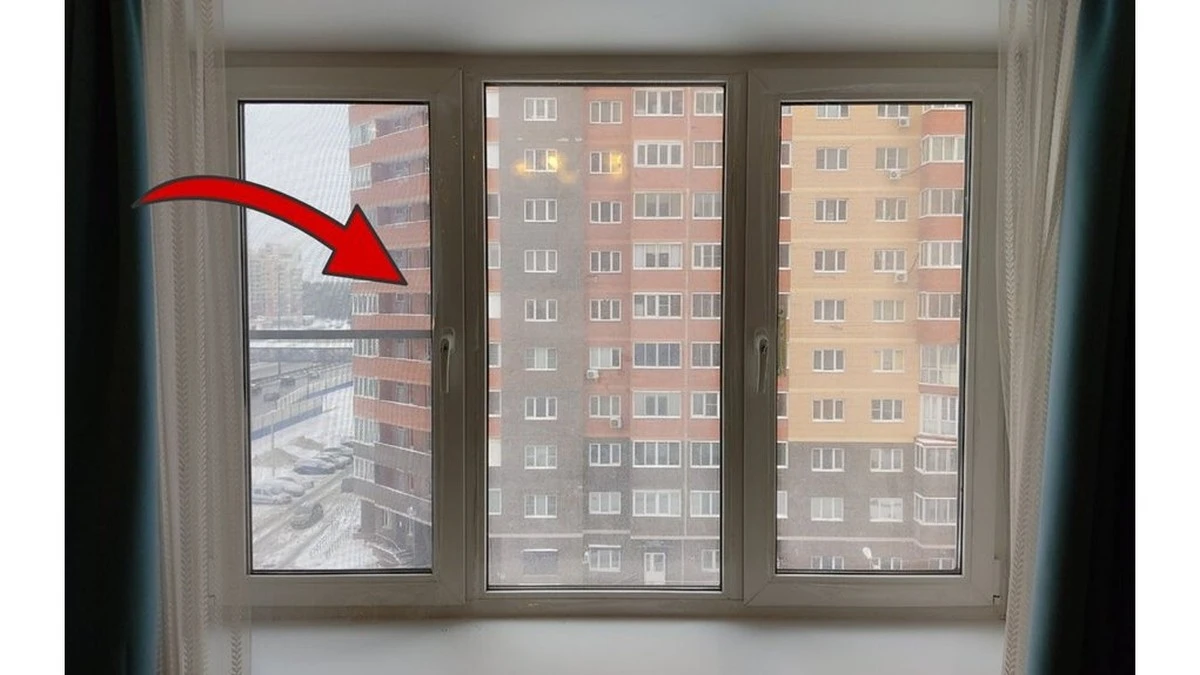
The problem lies in the rubber seals of your windows. Over time, they dry out, lose elasticity, and no longer perform their function. Microscopic gaps appear between the rubber and the frame, through which cold air seeps in.
This is why so many people are surprised by drafts, even with seemingly intact windows. It’s a common oversight that costs a lot of money in heating bills.
The simple solution
Your 5-minute fix for warmer rooms
The solution is simple: lubricate the seals with a silicone product once a year. This restores the rubber’s elasticity, fills tiny gaps, and creates a protective layer that resists drying out.
The entire procedure takes about five minutes per window, requires minimal equipment, and no special skills. It’s a life hack that many overlook.
Performing the 5-minute magic
Step-by-step in practice
The procedure is extremely simple. First, wipe the seal with a damp cloth and let it dry. Then, sparingly apply silicone spray or gel along the edge of the rubber, where it meets the frame.
After that, open and close the window a few times to allow the product to distribute evenly. Wipe off any excess with a cloth. You can even use standard silicone lubricant from a car parts store, as long as it's designed for rubber.
Instant results
Testing for leaks
The results are visible immediately: sealed seals, fewer drafts, and noticeably warmer rooms. You’ll feel the difference the moment you step into the room.
Before and after the procedure, it’s worth checking if the seals are actually keeping the cold out.
- The candle test: Hold a lit candle near the window seams and observe the flame. If it flickers or bends – there's a gap. A stable flame means good sealing.
- The paper test: Place a strip of paper between the window and the frame, close the window. If the paper pulls out easily – there are gaps.
- The hand test: On a cold day, slowly move your warm hand around the frames. You'll feel the airflow if there are any leaks.
If any test shows problems, apply silicone again to the affected area or consider replacing the rubber if it's severely worn.
Which products work best
Choosing the right lubricant
There are several types of silicone products on the market, each with its advantages.
- Silicone sprays provide even coverage and quickly reach narrow spaces and corners. Ideal for frames and hinges.
- Gels adhere to vertical surfaces, offer longer protection, and are easier to control – they won’t drip where they shouldn’t.
- Pure silicone oil penetrates the rubber and restores elasticity, but it must be used carefully and sparingly.
Choose products labeled as safe for EPDM and synthetic rubbers. For indoor use, prioritize food-grade or low-odor formulas. You can find these in most hardware stores or even online.
Step-by-step instruction
A guide for perfect results
To perform the procedure correctly, follow this sequence:
- First, inspect the seals for cracks or deformations. If the rubber is severely damaged, it will need replacement, not lubrication.
- Clean the seals with a mild detergent, rinse, and dry thoroughly. Silicone won't adhere properly to damp rubber.
- Apply silicone spray or gel sparingly along the seal, avoiding excessive buildup.
- Open and close the window a few times to distribute the product evenly. Wipe off any residue with a cloth.
- Repeat the procedure annually or sooner if drafts reappear.
How long does the effect last?
Understanding the longevity
The effect of silicone on window seals typically lasts for several weeks. Most homeowners report noticeably reduced drafts and improved heat retention for about 2-3 weeks.
The actual duration depends on the condition of the seal, local climate, and exposure to sun and moisture. Therefore, it is recommended to check the seals weekly for stickiness, cracks, or renewed drafts. If the effect disappears sooner than expected, apply silicone again. Deep cracks in the rubber mean it's time for replacement.
What to avoid
Common mistakes
Don't use petroleum-based products – they degrade rubber and will only accelerate the seal's wear.
Don't overdo it with silicone – excess can build up and prevent the window from closing properly.
Don't apply to damp rubber – silicone won't adhere, and the effect will be minimal.
Conclusion
Lubricating window seals with silicone is one of the simplest and cheapest home maintenance procedures that most people skip. Five minutes of work per window, minimal product costs, and the result is noticeably warmer homes and lower heating bills. It's best to do this once a year before the heating season begins.
Have you ever tried this trick? Share your experience in the comments!